Blessed Nana SVG, Blessed Nana PNG, Nana
As a designer who’s digitized over 2,000 embroidery files—and shipped custom-embroidered goods to boutiques from Portland to Dublin—I opened Blessed Nana SVG, Blessed Nana PNG, Nana with one question: “Will this hold up on a real project—not just in my design software, but on fabric, under thread, and in a customer’s hands?” Last week, I used it to embroider a linen tea towel for a local gift shop’s Mother’s Day collection. Here’s what I learned.
A Warm, Simple Vibe—But Not All Fabric Types Agree
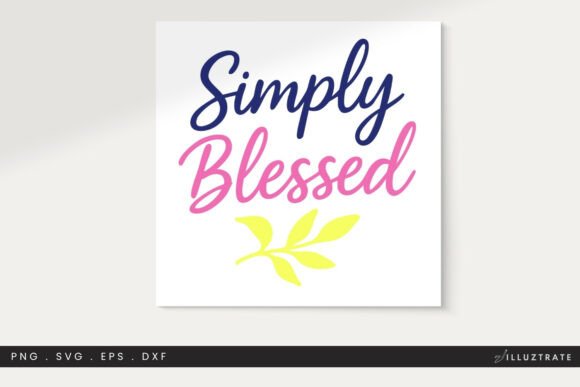
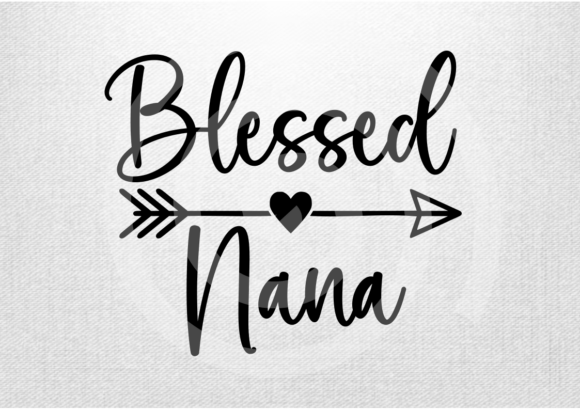
The first thing that stands out is its quiet confidence. Blessed Nana SVG, Blessed Nana PNG, Nana leans into soft curves, gentle spacing, and a centered, slightly rounded script—no sharp angles or aggressive kerning. It feels handmade, not mass-produced. That works beautifully for baby onesies, kitchen towels, and nursery wall hangings where tenderness matters more than trendiness. But that same softness becomes a liability on stretchy cotton jersey or lightweight rayon. On a fitted sweatshirt, the letterforms blurred slightly at the shoulders during hooping—especially where the fabric gave way under tension. For custom apparel, stick to stable knits or midweight wovens unless you’re willing to add extra cutaway stabilizer.
Where It Shines (and Where It Stumbles)
This isn’t a high-detail applique design or a dense fill stitch monogram—it’s built for readability at modest sizes (3.5"–4.5" wide). That makes it ideal for:
- Tote bag design: Clean lines read clearly even at arm’s length
- Sweatshirt embroidery: Holds contrast well against heather gray or navy fleece
- Baby embroidery: Gentle scale fits perfectly on bibs and burp cloths
- Holiday embroidery: Paired with a simple holly sprig, it reads as heartfelt—not kitschy
- Embroidered patch: Works cleanly when stitched on twill backing and heat-applied
It stumbles where precision matters most: tiny hoops (under 4"), curved surfaces like baseball caps, and dark fabric without careful thread selection. The lowercase “a” and “n” have subtle counters—if stitched too densely or on low-thread-count fabric, those inner shapes close up. On black terry cloth towels, I had to switch from standard 40-weight poly to matte cotton thread to keep the texture from swallowing the detail.
Real Impact on Customer Trust and Product Value
I’ve watched customers pause at this phrase—“Blessed Nana”—more than any other in my holiday line. It’s emotionally resonant, culturally grounded, and instantly legible across generations. That builds trust. When someone sees it stitched cleanly on a handmade apron or pillow cover, they don’t think “digital download.” They think “someone made this *for* me.” That perception lifts perceived value—especially for personalized gifts and small shop product listings on Etsy.
But that goodwill evaporates if stitching looks rushed. If the stitch density is too high, the letters puff and distort. If the hoop size forces awkward repositioning on a curved surface, registration drifts. I recommend using Blessed Nana SVG, Blessed Nana PNG, Nana only on flat or gently contoured items unless you’re confident in your machine’s auto-trim and jump-stitch handling.
Design Assets That Serve Your Craft Business—Not Just Your Software
This file set delivers practical flexibility: SVG, PNG, DXF, EPS, and PNG with transparent background. As an Etsy seller, I used the PNG to build clean printable mockups for my listings—no pixelation, no guesswork. The SVG scaled flawlessly when adapting it for a vinyl-cut version of the same design (great for hybrid crafters). But remember: this is a digital embroidery file, not a ready-to-stitch .pes or .dst. You’ll need to digitize it—or confirm your chosen digitizer supports the included formats.
For commercial embroidery, licensing clarity matters. The listing says “ATTENTION THIS IS DIGITAL FILES ONLY,” but doesn’t specify commercial use rights. Before adding Blessed Nana SVG, Blessed Nana PNG, Nana to your craft business catalog or bundling it into a design pack, verify whether resale of finished embroidered items is permitted. Many designers assume yes—until a cease-and-desist arrives.
Practical Embroidery Designer Notes You’ll Actually Use
Before stitching your first finished product:
- Test on scrap fabric first—especially if using textured linen or terry cloth
- Check thread color contrast on both light and dark backgrounds; cream thread on oatmeal linen reads warmer than white, but can vanish on ecru
- Review stitch density in your embroidery software—reduce fill % by 5–8% if stitching on lightweight cotton
- Confirm hoop size compatibility; this design fits comfortably in a 5x7 hoop, but push beyond that and satin stitch edges may lose crispness
- Inspect small details at 200% zoom—those inner loops in “a” and “e” need clean jump stitches
- Test in black-and-white mockups to assess visual weight before committing to thread
- Use proper stabilizer: medium tear-away for stable wovens, cutaway for knits or baby items
- Confirm licensing before selling physical items or digital bundles—this affects your handmade product liability
Final Thought: A Design That Earns Its Place
Blessed Nana SVG, Blessed Nana PNG, Nana won’t wow at a trade show with technical fireworks—but it earns respect quietly. It’s the kind of machine embroidery design that sells because it feels intentional, warm, and human. It belongs in your toolkit if you make personalized gifts, run a small shop, or sell through Etsy or craft fairs. Just treat it like a collaborator: know its limits, honor its tone, and test it like you mean to keep the customer.
Because in the end, the best embroidery project isn’t the flashiest one—it’s the one people hold, smile at, and say, “Who made this? I need ten more.”