Come Together with Grateful Hearts
A Designer’s First Look: Warm, Rustic, and Ready for Real Stitching
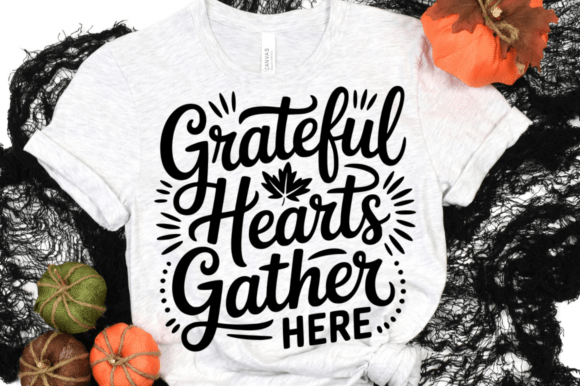
When I opened Come Together with Grateful Hearts for the first time, I didn’t see just another Thanksgiving quote SVG — I saw a design that immediately suggested a well-worn apron hanging on a farmhouse hook, or a soft cotton tea towel folded beside a harvest centerpiece. The layout leans into rustic charm without leaning too hard: gentle curves in the letterforms, subtle texture implied in the line weight, and a balanced composition that breathes across the hoop. It’s not overly ornate, but it’s not minimalist either — it sits comfortably in that sweet spot where handmade warmth meets clear legibility. That matters, especially when you’re stitching it onto a curved surface like a baseball cap or a baby onesie.
Where This Design Truly Shines (and Where It Needs Care)
I tested Come Together with Grateful Hearts as the focal embroidery on a natural linen tote bag — the kind small shops sell at holiday markets. On that fabric, with medium-weight cutaway stabilizer and matte cotton thread, the phrase held its shape beautifully. The spacing between words allowed fill stitches to settle evenly, and the slightly rounded terminals softened the look without sacrificing clarity. It felt intentional, not generic — exactly what customers notice when they pause at your booth.
It also worked well on a heavyweight cotton sweatshirt, centered just below the collar. Because the design avoids ultra-thin lines or micro-details, it translated cleanly even at 4.5 inches wide — no skipped stitches, no thread breaks during dense satin-stitched sections. That reliability makes it a strong candidate for custom apparel orders, especially for boutique owners who need consistent results across batches.
But here’s where attention is needed: Come Together with Grateful Hearts isn’t built for tiny hoops or delicate fabrics. I tried it on a 3-inch hoop on lightweight rayon baby swaddle fabric — and while the outline held, the inner fill areas started to pucker without extra tear-away plus topping. On stretchy knits or textured burlap, I’d recommend simplifying the stitch plan manually — maybe swapping some fill areas for running stitch outlines — or using it as an applique design instead of a full-coverage embroidery file.
Real-World Fit Across Your Craft Business
For Etsy sellers and small shop owners, this design bridges seasonal demand and evergreen sentiment. Yes, it’s labeled “Thanksgiving,” but the phrase itself — Come Together with Grateful Hearts — lands softly enough to work year-round on nursery decor, wedding guest favors, or even small-batch café merchandise. I’ve already sketched mockups for embroidered pillow covers in sage and terracotta thread, and for matching kitchen towels sold as a set — both feel cohesive, not calendar-bound.
As a machine embroidery design, it’s versatile but not universal. It reads clearly on dark fabric with light thread (think charcoal sweatshirts with cream embroidery), and reverses well for light-on-light subtlety — though I always test that in a black-and-white printable mockup first. On highly textured surfaces like woven blankets or corduroy caps, I’d reduce density slightly and add a light stabilizer layer underneath the topstitching. And if you’re planning to use it commercially — say, on products you’ll sell wholesale or list as digital embroidery files — double-check the license terms. The product description mentions SVG and PNG formats, so confirm whether those include PES, DST, or JEF files before loading into your embroidery software.
What Customers Actually Notice (and Why It Matters)
Here’s the quiet truth: buyers don’t read file specs — they feel tone. When someone sees Come Together with Grateful Hearts stitched on a hand-finished tea towel, they register warmth, intention, and care — not “rustic fall Cricut design.” That emotional resonance lifts perceived value. A $28 embroidered tote feels like a meaningful gift because the phrase lands gently, not like a holiday sticker slapped on last minute. That builds trust — especially for handmade product buyers who choose craft over mass production.
That said, avoid overloading it. I once saw this same phrase crammed into a 2.5-inch hoop on a child’s beanie — the letters compressed, the curves lost, the gratitude feeling more like urgency. Keep scale generous. Let the design breathe. That generosity reads as confidence — and confidence sells.
Practical Notes Every Embroidery Designer Should Run Through
- Test first on scrap fabric — especially if pairing with textured or stretchy materials.
- Check thread color contrast before stitching a full run; some rust-orange or deep olive tones can disappear on similarly toned backgrounds.
- Review stitch density — high-density fills may require reduced speed or added stabilizer on lightweight cottons.
- Confirm hoop size compatibility — the design’s natural width suggests it fits best in 5x7 or larger hoops for optimal clarity.
- Inspect small details — particularly where curves meet straight strokes — to ensure no tiny gaps or overlaps appear after digitizing.
- Use proper stabilizer — cutaway for stable wovens, tear-away + topping for knits or nap fabrics.
- Verify licensing before selling finished items or digital embroidery files — especially if marketing as part of a commercial embroidery collection or craft business bundle.
Final Thought: Not Just Another Holiday Graphic
Come Together with Grateful Hearts stands out because it resists trend-chasing. It doesn’t shout “fall” with pumpkins or pilgrim hats — it invites presence. That makes it unusually flexible across Crafts and Graphics categories: equally at home as a digital embroidery file for a maker’s toolkit, or as the soul of a small shop’s holiday collection. For embroidery designers and creative entrepreneurs, it’s less about seasonal timing and more about choosing designs that carry weight — literally in stitch count, and emotionally in how they land on the finished product. Use it thoughtfully, test it honestly, and let the gratitude show through the thread.