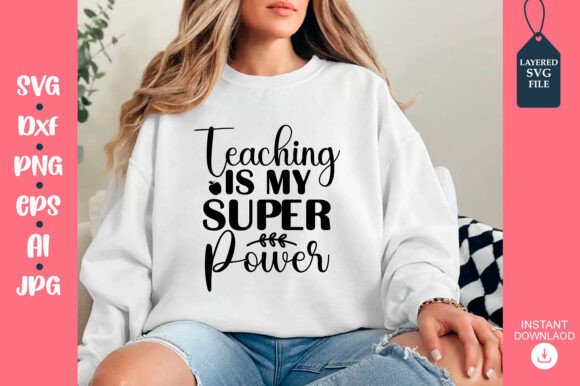
Teacher SVG Design, Teacher SVG Cut File
A Designer’s First Look: Friendly, Clear, and Ready for Real Stitching
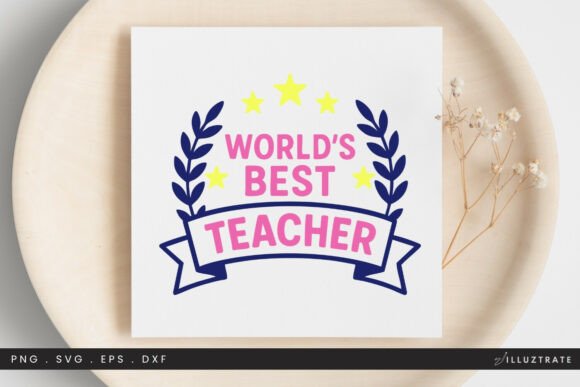
When I opened the Teacher SVG Design, Teacher SVG Cut File, my first thought wasn’t “cute” or “trendy”—it was “this will stitch cleanly.” The layout is balanced, with generous spacing between letters and a gentle curve to the word “Teacher” that avoids awkward tension in satin-stitched outlines. There’s no excessive ornamentation—no tiny stars, no fragile flourishes—just clean lines and confident proportions. That matters more than you’d think when you’re hooping up a cotton twill tote bag at 7 a.m. before a craft fair.
This Isn’t Just a Graphic—It’s a Handmade Product Anchor
I tested the Teacher SVG Design, Teacher SVG Cut File on a midweight organic cotton sweatshirt, using a medium-weight cutaway stabilizer and standard 40-weight rayon thread. The result? Crisp lettering, even corners, and zero puckering—even across the shoulder seam. It held up beautifully as a custom apparel piece for a local teacher appreciation event, stitched alongside embroidered apple motifs and name tags. As a handmade product, it added instant warmth and professionalism—not just “a gift,” but “a meaningful one.” Customers noticed. They paused, smiled, and asked where the design came from. That kind of quiet resonance is rare—and valuable—for any craft business or Etsy seller.
Where It Shines (and Where It Needs Extra Care)
The Teacher SVG Design, Teacher SVG Cut File excels in applications where clarity and legibility matter most: embroidered patch backings, tote bag design, apron chest logos, and kitchen towel monograms. Its moderate height (roughly 3.5–4 inches wide at standard scaling) fits comfortably in a 4×4 hoop without cramming—ideal for small shop product consistency. On baby onesies? I resized it down to 2.75 inches and used a lightweight tear-away stabilizer—still readable, still charming.
But here’s what I watched closely: the inner curves of the “e” and “a.” On stretchy fabric like jersey, those small enclosed areas can distort if stabilizer isn’t perfectly taut. And on dark fabric, especially with light thread, I doubled the underlay and added a single run of running stitch around the outer edge—just enough to lift the fill stitch and prevent sinking. For caps or curved surfaces, I recommend testing the full design in a low-profile cap hoop first. The letterforms are generous, but tight curves demand extra attention to stitch direction and density.
Real-World Impact on Brand, Trust, and Value
As a designer who reviews hundreds of digital embroidery file assets each year, I judge by how well they support *intent*. This Teacher SVG Design, Teacher SVG Cut File supports sincerity—not gimmicks. When stitched onto a linen pillow cover for a new teacher’s nursery, it felt intentional, not generic. That elevates perceived value. Buyers don’t just see “teacher-themed”—they sense care, craftsmanship, and alignment with purpose. For a small business owner selling personalized gifts, that translates directly into repeat orders and word-of-mouth trust. It also holds up in printable mockup previews: the 300 DPI PNG renders cleanly on Etsy listings, and the layered SVG files let me quickly swap colors or isolate “Teacher” for a matching tagline.
Practical Notes Every Embroidery Designer Should Keep Handy
- Always test on scrap fabric first—especially if stitching on textured fabrics like terry cloth or quilted cotton.
- Check thread color contrast early: this design reads best with high-contrast combos (navy + cream, black + white, forest green + ivory).
- Review stitch density in your embroidery software—if fill areas feel overly dense for lightweight fabric, reduce density by 5–8%.
- Confirm your hoop size matches the design’s natural footprint; avoid forcing it into a 3×3 unless you’ve verified legibility at that scale.
- Inspect small details like serifs or terminal points—some machines handle them better than others. If yours tends to skip fine lines, add a light satin outline.
- Test in black and white mockups to assess visual weight before committing to thread.
- Compare performance on light and dark fabric backgrounds—the same file behaves differently depending on substrate.
- Use proper stabilizer: cutaway for knits and heavy wear, tear-away for stable wovens, and fusible for delicate items like silk-blend tea towels.
- Verify licensing terms before using in commercial embroidery or reselling as part of a digital product. The listing confirms it’s a digital download—but commercial use rights aren’t stated outright, so confirm before bundling or mass production.
Final Thought: A Quiet Workhorse, Not a Flashy Gimmick
The Teacher SVG Design, Teacher SVG Cut File won’t go viral on social media—and it shouldn’t have to. It’s built for longevity, not trends. Whether you’re stitching a personalized gift for a retiring educator, branding a boutique line of holiday embroidery kits, or creating consistent small shop product labels, this file delivers reliability without compromise. It respects the craft. It respects the customer. And it respects your time—no endless tweaking, no surprise gaps or thread breaks. In the world of Crafts and Graphics, that’s not just practical. It’s professional.